


September 23, 2025
How ACST by Aelios Solar AG Could Close the Renewable Gap

The energy problem we never solved
For decades the promise of renewable energy has been clear: abundant, clean power from the sun, wind, and water. Yet the global energy system has continued to rely on fossil fuels and nuclear because existing renewable solutions have important, practical shortcomings. Photovoltaic panels and wind turbines generate electricity only when conditions permit; storage technologies such as batteries smooth short-term fluctuations but struggle with seasonal or multi‑month imbalances. Large-scale renewables also demand extensive land, specialized siting, and high capital outlays for grid upgrades. Those practical barriers kept coal, gas, and nuclear economically and politically entrenched despite their environmental costs.
What ACST changes about “solar”
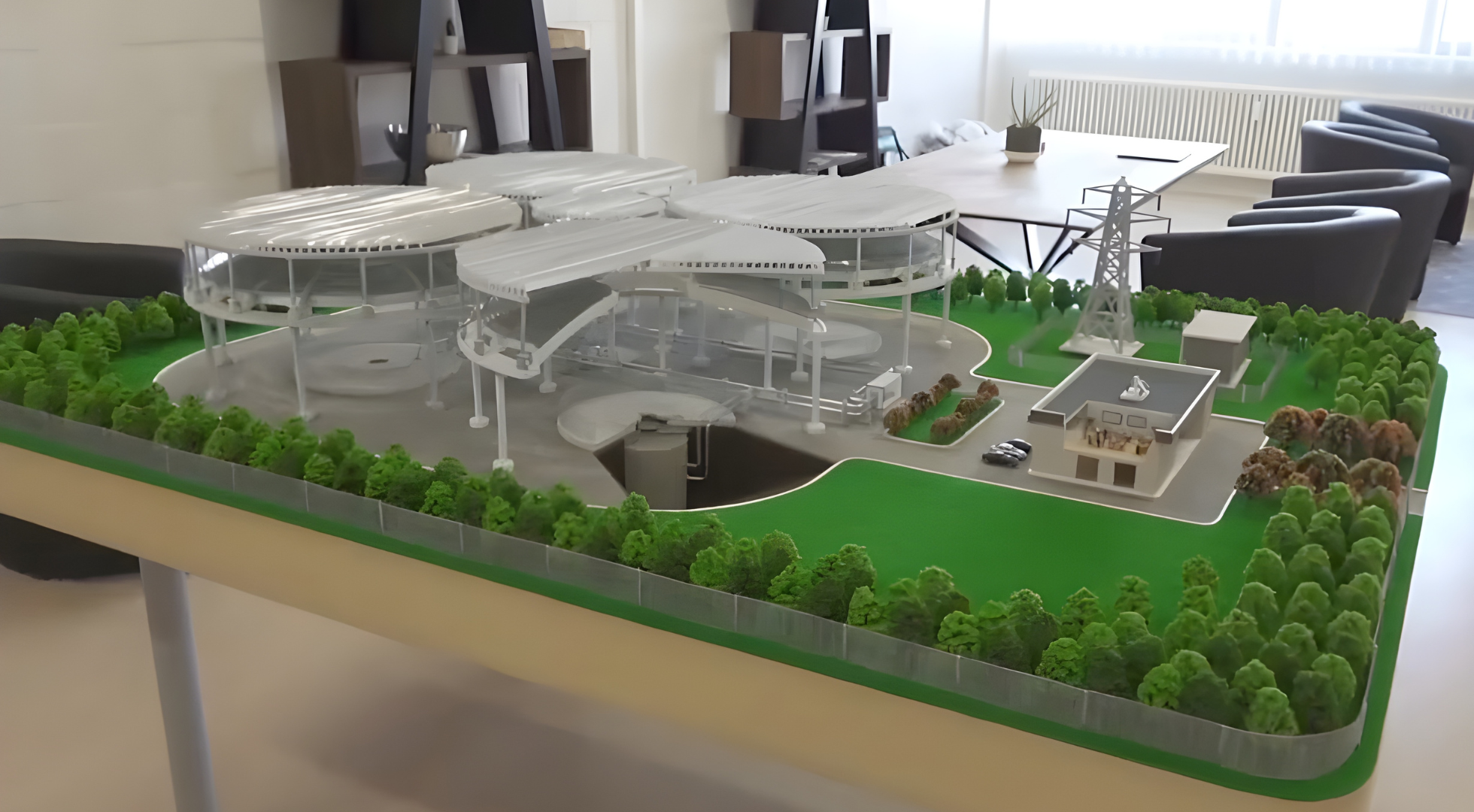
Aelios Solar AG’s ACST reframes what “solar” means. Rather than spreading conversion across many panels, ACST concentrates sunlight onto a single focal point using reflectors and optics. The concentrated energy produces very high temperatures, and instead of immediately converting that heat to electricity, ACST stores it in a patented thermal medium. This storage can retain energy for months with minimal loss, enabling the system to deliver substantial, dispatchable power on demand—day or night, across seasons.
Long-duration thermal storage: the game changer
Where lithium-ion batteries are optimized for hours to days of storage, ACST’s thermal approach is designed for months, avoiding many degradation pathways and cyclical limits of electrochemical systems. That capability addresses seasonal mismatches—saving surplus summer solar energy to meet winter heating needs—and transforms solar from a weather-dependent source into a reliable backbone that can support base-load and critical infrastructure.
Multifunctionality: more than electricity
Because ACST produces and stores heat, its applications extend well beyond electricity generation. Stored thermal energy can drive high-efficiency thermal power cycles to make electricity, feed district heating networks, power absorption chillers for cooling, enable seawater desalination, and provide process heat for e‑fuel production and industrial manufacturing. A single ACST installation can therefore displace multiple dedicated systems, reducing infrastructure redundancy and increasing overall value.
Compact design and flexible siting
By concentrating sunlight rather than occupying vast tracts with panels, ACST significantly reduces land use and can be sited in places unsuited for traditional solar farms—urban fringes, industrial estates, island microgrids, or coastal desalination sites. The smaller footprint eases planning and local opposition, expanding deployment opportunities where space is limited.
Investment case and ethical returns
ACST’s dispatchability and long-term storage make it more bankable than intermittent generation alone. Revenue diversity—selling electricity, heat, cooling, water, or fuel—lowers offtaker risk and improves predictability. For institutional and private investors seeking sustainable, impact-aligned assets, ACST offers a tangible infrastructure play with ethically grounded returns tied to essential services.
High-impact use cases
ACST fits numerous sectors: urban district heating replacing fossil boilers; industrial facilities requiring steady high-temperature heat; island and coastal communities pairing ACST with desalination to reduce diesel dependence; and e‑fuel production facilities needing continuous heat and power inputs. In each case, ACST replaces multiple fossil-dependent systems with a single renewable platform.
Implementation challenges to watch
Challenges remain: proving long-term reliability, scaling production of optical and storage components, integrating with local grids and heat networks, and demonstrating cost-competitiveness versus incumbents. Market and regulatory frameworks must also evolve to value long-duration storage and thermal services, otherwise multifunctional benefits may be undercompensated.
A systems-level pathway to decarbonization
If those hurdles are overcome, ACST offers a systems-level alternative to piecemeal renewable deployment. Concentrated thermal hubs could anchor integrated energy sites—delivering electricity, heat, freshwater, and fuels from a single low-emissions source—and shift planning and investment toward resilient, multi-service infrastructure.
Conclusion: sunlight, storable and usable
ACST turns sunlight into a storable, dispatchable, and highly useful form of energy. By solving long-duration storage and multifunctionality challenges, it can make renewable energy a practical substitute for coal, gas, and nuclear in many contexts. Whether it becomes the missing link in the energy transition will depend on demonstrations, policy support, and investment—but ACST directly addresses the technical and economic barriers that have kept harmful energy sources in place.
Ready to implement ACST at your site?
Turn your energy costs into a strategic, sustainable asset. We design, finance, and deploy ACST systems tailored to commercial, industrial, municipal, and island applications—delivering dispatchable power, low‑carbon heat, cooling, desalination, and fuel‑grade process energy from a single compact installation.
Contact us to start with a free site assessment and feasibility study. We'll evaluate your energy profile, identify high‑value applications (electricity, district heat, cooling, desalination, e‑fuel feedstock), and present a custom implementation roadmap with CAPEX/OPEX estimates, expected payback, and financing options.
Email: contact@aelios.solar
Consultation at: https://aelios.solar/contact
We’ll respond within two business days and provide a clear next step: a no‑obligation feasibility brief showing projected energy yields, storage capacity, and ROI for your facility.