
.png)



ACST delivers reliable, high-temperature heat with long-duration storage, making it ideal as the core of modern district heating systems. Concentrated solar energy is stored thermally and dispatched on demand, enabling stable heat supply through nights and cloudy seasons without fossil backup. A single ACST hub can replace multiple gas boilers across residential and commercial networks, cut peak fuel demands, and integrate with existing piping and heat-exchange infrastructure. Lower land footprint and modular siting let municipalities deploy ACST close to load centers, reducing transmission losses and planning friction. Result: predictable, low-emission heat for neighborhoods, hospitals, campuses, and industry—with improved bankability from steady revenue streams and diversified heat+power sales.
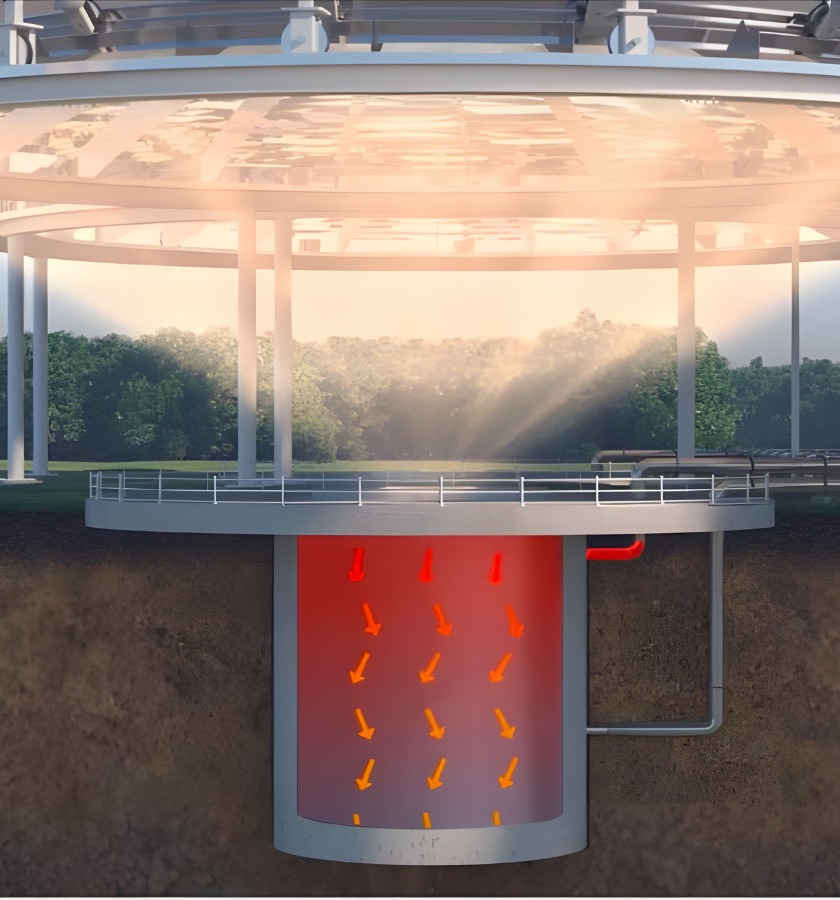
ACST provides high, controllable thermal conditions suitable for advanced thermal treatment of hazardous wastes (e.g., organic solvents, contaminated soils, medical and chemical byproducts). Concentrated heat enables efficient thermal destruction, vitrification, or pyrolysis processes that neutralize toxins and immobilize heavy metals while minimizing secondary emissions. The system’s long-duration storage ensures continuous process heat regardless of weather, allowing sustained high-temperature treatment cycles critical for complete decomposition. Siting flexibility lets facilities be placed near waste streams, lowering logistics costs and exposure risks. Using ACST for thermal remediation reduces reliance on fossil-fueled incineration and supports safer, lower-carbon hazardous-waste management.

ACST directly supplies the sustained, high-temperature heat streams e‑fuel synthesis demands—driving processes such as Fischer–Tropsch, methanol synthesis, or high‑temperature electrolysis when paired with electricity. Its months‑scale thermal storage smooths intermittent solar supply into continuous feedstock production, improving conversion efficiency and plant capacity factors. By co‑locating ACST with CO2 capture and catalytic reactors, facilities can run steady synthesis cycles that minimize catalyst cycling and operational interruptions. Multifunctionality means the same installation can provide heat, process steam, and electricity, reducing capex and footprint versus separate systems. The outcome: lower-cost, low‑carbon liquid fuels for hard‑to‑decarbonize transport sectors, produced with predictable output and stronger project economics.

ACST can decarbonize hydrogen at scale by providing low‑cost, dispatchable heat and power for both high‑temperature thermochemical splitting and electrolytic processes. For high‑temperature electrolysis and thermochemical cycles, concentrated thermal input raises efficiencies and reduces electrical demand; for conventional electrolysis, ACST’s reliable electricity and waste heat improve overall plant efficiency. Stored thermal energy enables round‑the‑clock operation, maximizing electrolyzer utilization and lowering levelized hydrogen cost. Deployments near industrial clusters or ports facilitate hydrogen offtake and blending into existing gas networks. In short: ACST unlocks continuous, affordable green hydrogen production that supports industry, transport, and long‑duration energy storage needs.
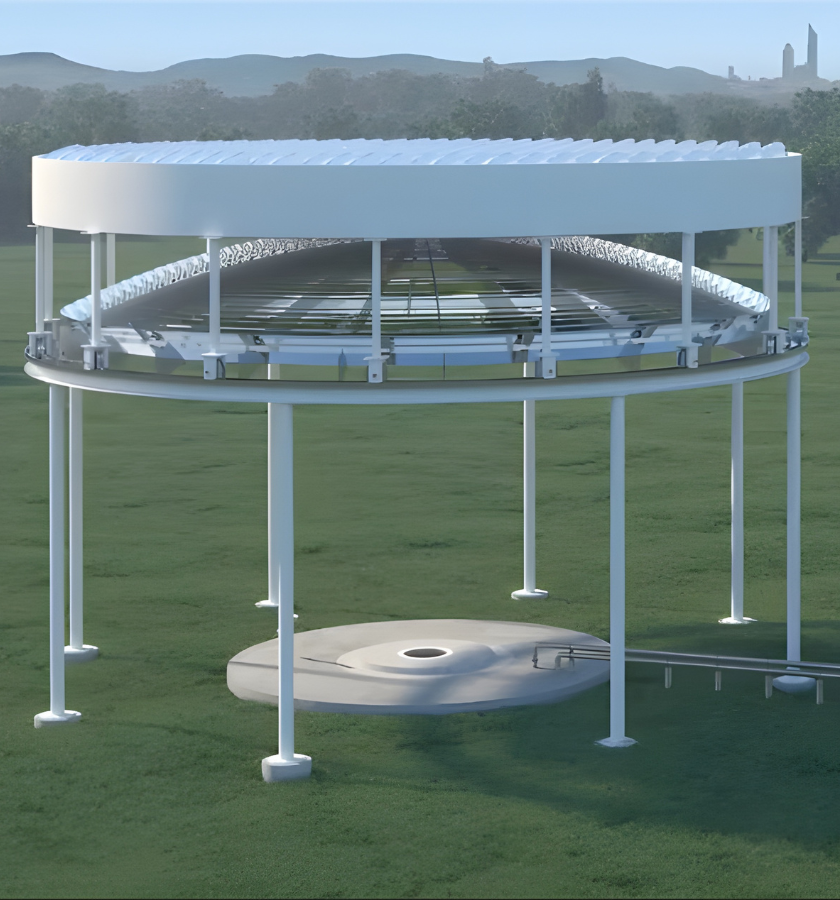
ACST converts intermittent sunlight into dispatchable electricity for off‑grid and remote applications by storing solar heat for multi‑month use and driving high-efficiency power cycles on demand. This enables microgrids, island communities, mines, and remote industrial sites to transition from diesel reliance to stable renewable baseload, with far fewer batteries required for seasonal smoothing. Compact siting and reduced land use let installations fit constrained or sensitive locations; multifunctional outputs (heat, desalination, cooling) further replace multiple fossil assets. The result: resilient, low‑emission off‑grid power with predictable dispatchability, lower fuel logistics, and improved energy security.